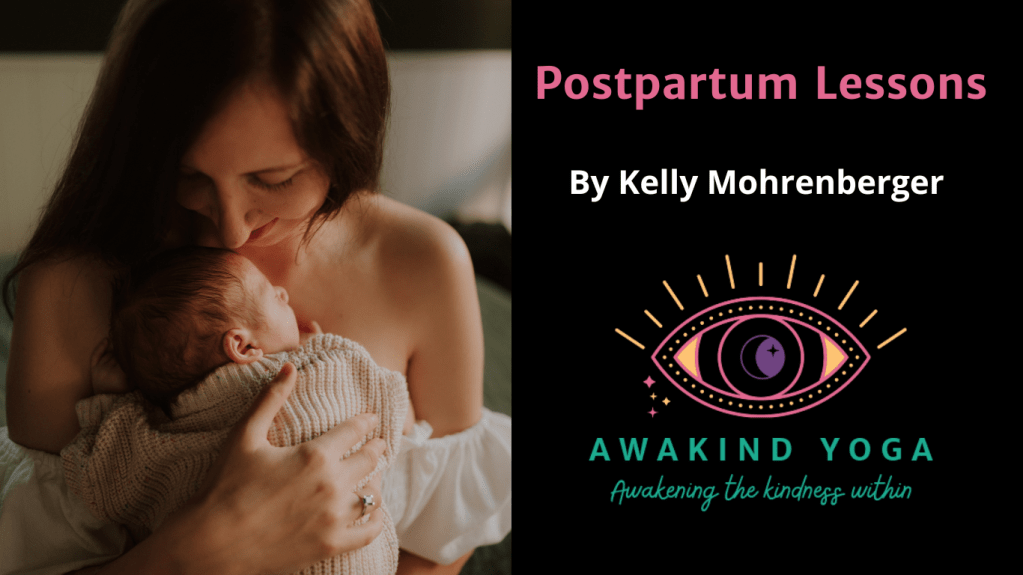
I previously wrote a blog on the lessons I learnt throughout my pregnancy and am now ready to share my postpartum lessons with you all.
Emotional support
Becoming a parent can be a massive shock – nothing can really prepare you. It is both incredibly challenging and joyous. A huge life change that happens at the same time as extreme sleep deprivation and, physical/hormonal recovery for birth mothers, so it is important particulary in the first few weeks to protect your peace and have the right support.
Good communication is crucial between the parents and by good I mean open and attentive with kind intentions – you can use a word or phrase that can be said when one of you slips and is communicating unkindly to help keep you united – my partner and I used “turtle” as in you’re snapping like a turtle. We also had no visitors for the first 3 weeks to give us time and space to adapt and this time was so valuable.
Big emotions and birth trauma are so common – it can be healing to talk through your emotions and birth with your partner or a trusted professional – see links below for free professional help. Partners, your baby mumma will need lots of support and you do too – it’s OK to reach out for help.
PANDA has a range of resources for parents and families to support heir mental health in the first year of parenthood. They also operate a free National Perinatal Mental Health Helpline for parents, their families, support people and health care providers.
Australiasian Birth Trauma Association has a range of resources and peer led support programs to support you on a journey to recovery after experiencing birth related trauma.
Sleep settling
You will no doubt learn that every baby is different and like to be settled in different ways. But, it would be wise to learn about sleep settling techniques and safe sleep environments prior to birth, if possible to have an idea of what you might like to try with your baby when they arrive earthside. The Raising Children Network is a helpful resource for this information.
Parental instinct
You might be suprised by how many people try to tell you what you “should” do with your baby – a word which I would love to delete from our vocabularies. It can be helpful to hear people’s stories sometimes and get advice but please remember that is their experience/opinion. Your experience is different and this is your baby – nobody knows your baby like you do. You may feel like you don’t know what you’re doing but you do, you have parental instinct. Listen to your gut, your intuition and do what feels right to you.
Please know that you can say no without an explanation. Some suggestions for kindly responding to unsolicited advice follow:
“thanks for sharing your experience, I understand why you would have done that but we are going to be doing it differently” and/or
“I know you are trying to be helpful but all your tips are making me feel overwhelmed, I need to navigate this myself”.
Wake windows
One of the most helpful pieces of advice I received from a friend was to be aware of wake windows when settling my baby. Wake windows are the amount of time your baby can comfortably be awake. If you try to put them to sleep too early or too late, it becomes a lot harder. There are guidelines out there such as this one from Dr Harvey Karp but again you will need to tap into your parental instinct and watch for your baby’s tired signs as every baby is different and the windows are constantly changing as they get older.
Breastfeeding
If you are a birthing mother and would like to breastfeed, it would be wise to learn about latching and holding techniques before birth, if possible. As it can be very painful if your baby is not latched properly and you are not comfortably holding them. The Raising Children Network is a great resource for this information too.
Co-regulation
Your baby will usually cry for milk, a nappy change, gas, sleep or sometimes simply for comfort. Co-regulation is wonderful and powerful. It involves the parent and baby supporting each other to feel calm throughout their bodies and nervous system. You soothe your baby and in turn feel soothed.
I know too well that it can be difficult to regulate particularly in the first few weeks when everything feels, scary and overwhelming, you’re dealing with sleep deprivation and the shock of becoming a parent. I distinctly remember the turning point for me – it was a moment of him being unsettled and as I was about to pick him up, I caught myself feeling stressed, holding my breathe and tensing my muscles. So, I took a few deep breathes, relaxed my body, and had a moment of gratitude that I get to be here and hold this beautiful, healthy baby boy. I believe this shift regulated my nervous system which enabled him to regulate and then drift off into dreams.
That was not the end of the feeling of overwhelm but everyday and/or whenever I feel overhelmed, I meditate for even just 5 minutes and bring myself back to regulation. I know it is not that easy for all, I have been practising yoga for some time now so can easily bring myself back with my breathe but others may need a guided meditation or maybe something completely different. It’s important to find what works for you. You can check out the Awakind Yoga studio classes or Meditation 101 course if you’re interested in learning more about meditation. I also offer private Parents n’ Bubs Yoga one-off classes or 6 week courses at my studio in Tascott on the Central Coast of NSW.
Getting out of the house
It is much harder to regulate when you don’t leave the house. It can seem easy to stay home but us humans are not meant to spend all day in a dark room with white noise. Join a mothers group, playgroup, mums n bubs class, go out for a walk – whatever you feel comfortable with and pay attention to how you feel afterwards. Everything is scary until you do it and then it’s not anymore.
Surrender and enjoy the wild ride of parenthood! You’re exactly what your child needs and you’re doing amazing.
Namaste.
…
Related Content:

Privacy Policy │Terms & Conditions
Copyright © 2024 Awakind Yoga. All Rights Reserved.
 Awakind Yoga